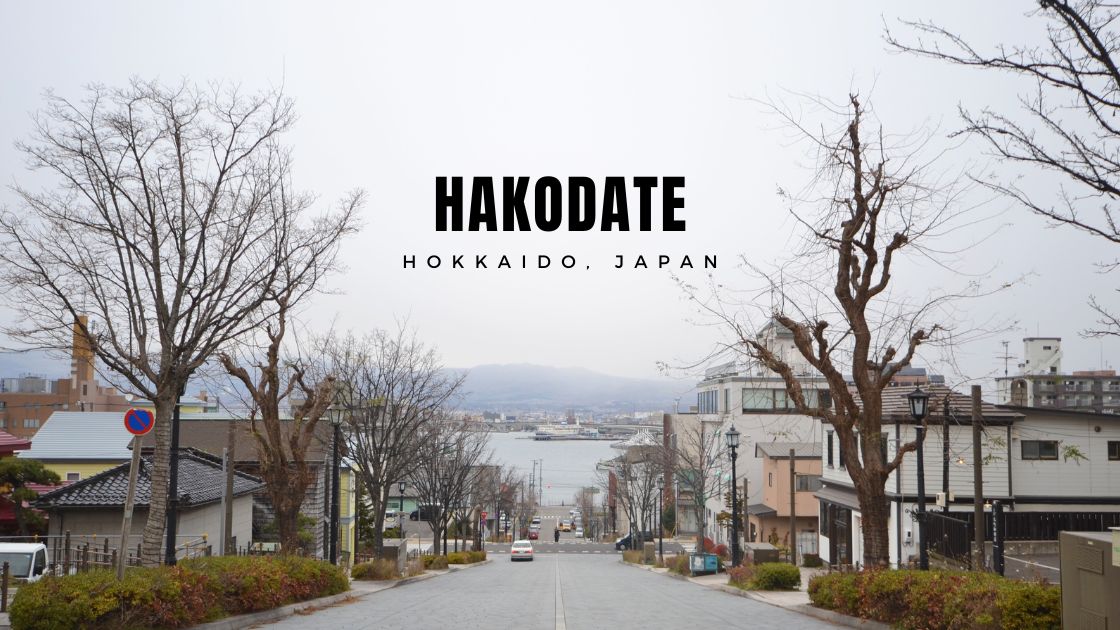
Hakodate travel guide stories often begin gently, and this city follows that rhythm well. Hakodate does not overwhelm at first glance. It eases travelers in with open streets, visible history, and a deliberate pace. I arrived from Asahikawa using the JR Hokkaido Rail Pass just after noon. I stepped into a port town shaped by trade, faith, and early international influence. A short tram ride took me to my accommodation. I checked in, dropped my bags, and headed out to explore.
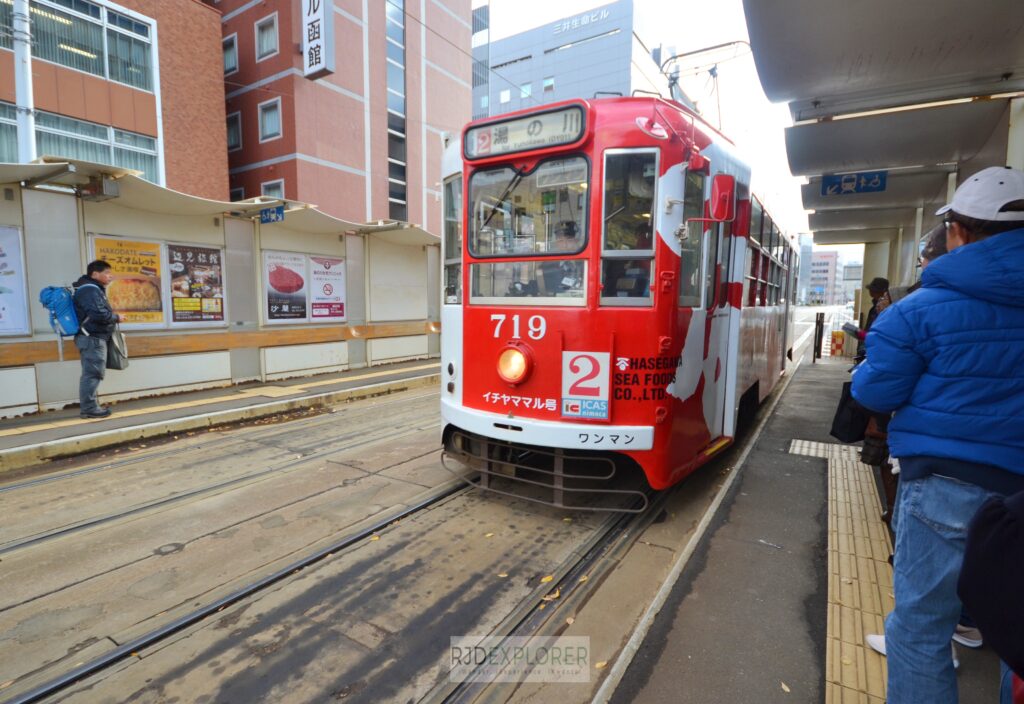
For visitors staying beyond walking distance from the station, the Hakodate tram offers the most practical transport. A day pass keeps costs low and removes fare calculations. This setup makes it easier to connect neighborhoods and focus on walking once you arrive.
This Hakodate travel guide is part of my Hokkaido trip series. For a complete overview of the trip, including a sample itinerary, where to eat and stay, please refer to my full Hokkaido itinerary.
Goryōkaku and a Fort Shaped by History
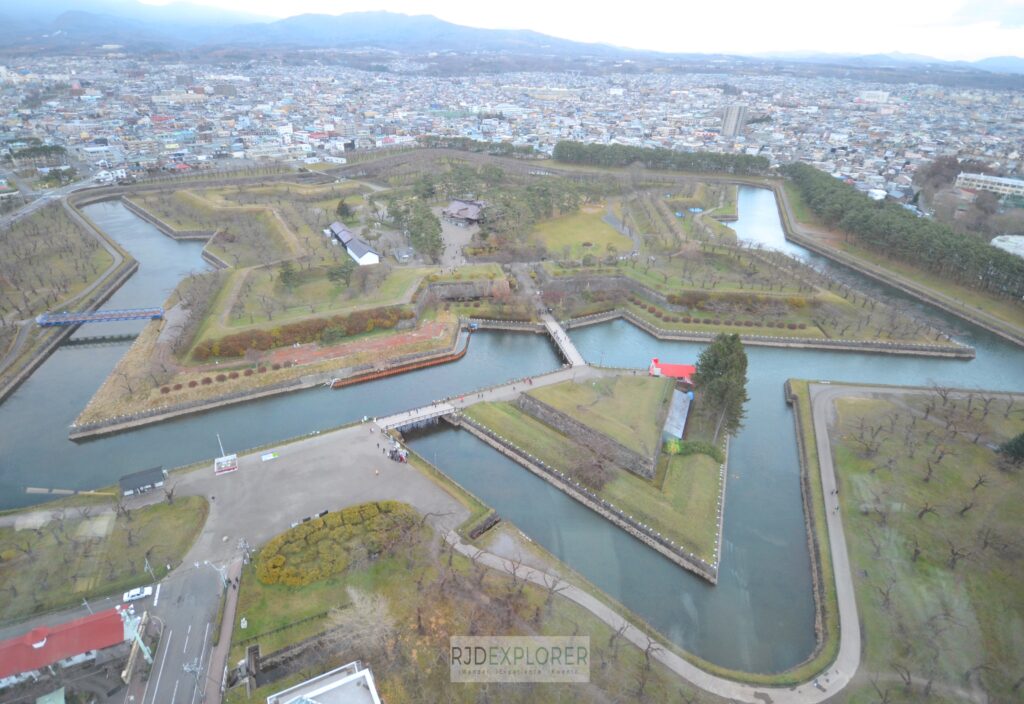
Goryōkaku sits slightly away from the city center, but the tram connects it well. The star-shaped fort dates back to the late Edo period. It reflects Japan’s early adoption of Western military design. During the afternoon, the park feels open and calm. Locals use the paths for short walks and quiet breaks.
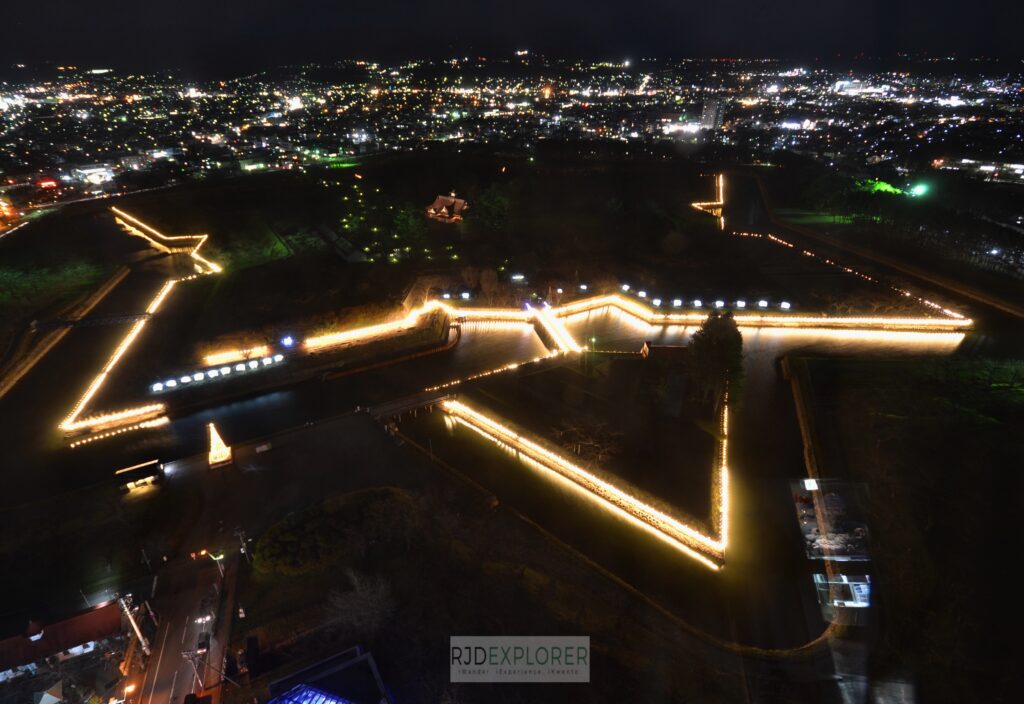
Staying past sunset changes the mood completely. Lights trace the fort’s geometric outline as evening settles in. The illuminated shape slows your pace and sharpens your focus. This moment introduces Hakodate’s understated charm with clarity.
Lucky Pierrot and a Local Dinner Stop
After Goryōkaku, I headed to Lucky Pierrot near the fort gate. This local burger chain ties deeply to Hakodate’s identity. It feels more like a cultural fixture than fast food. The interiors feel playful and personal. The food stays simple, filling, and familiar.
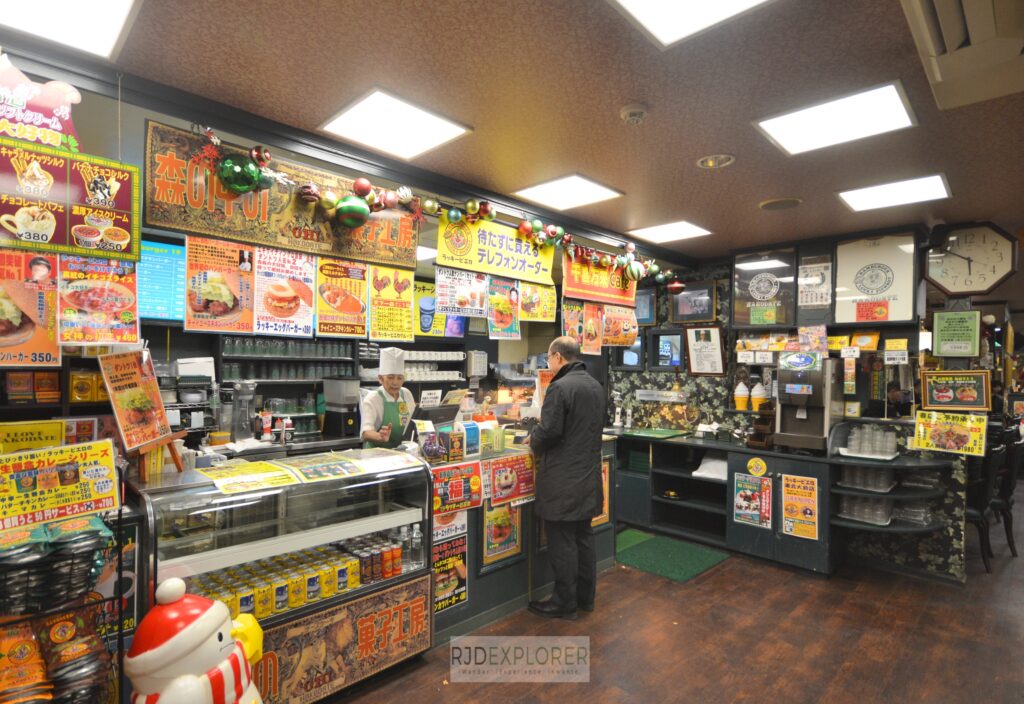
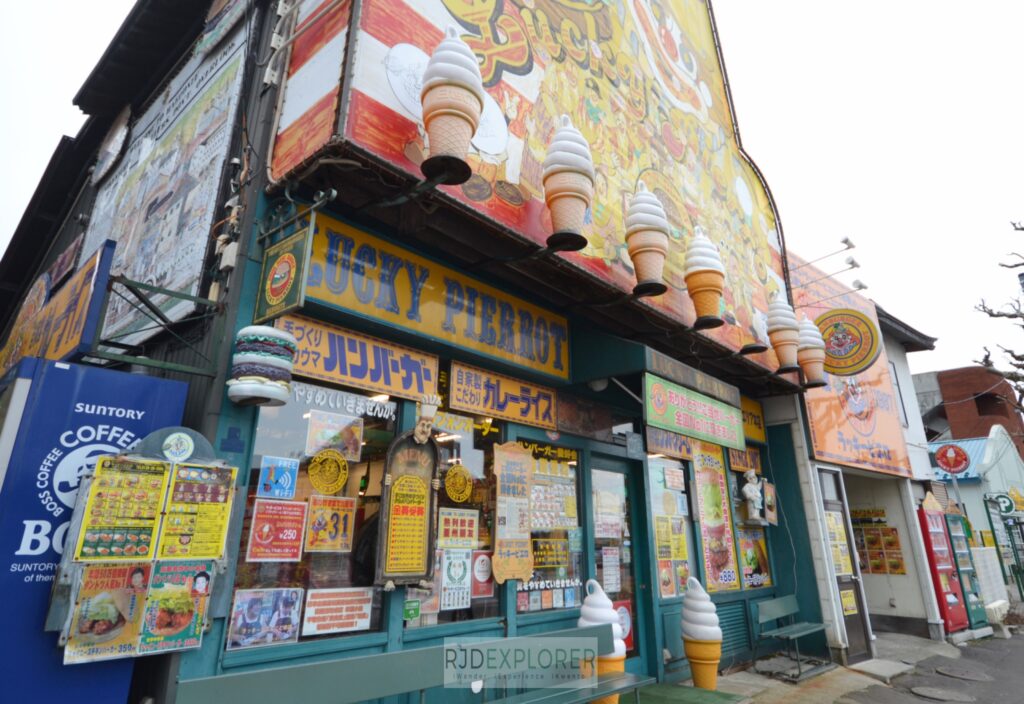
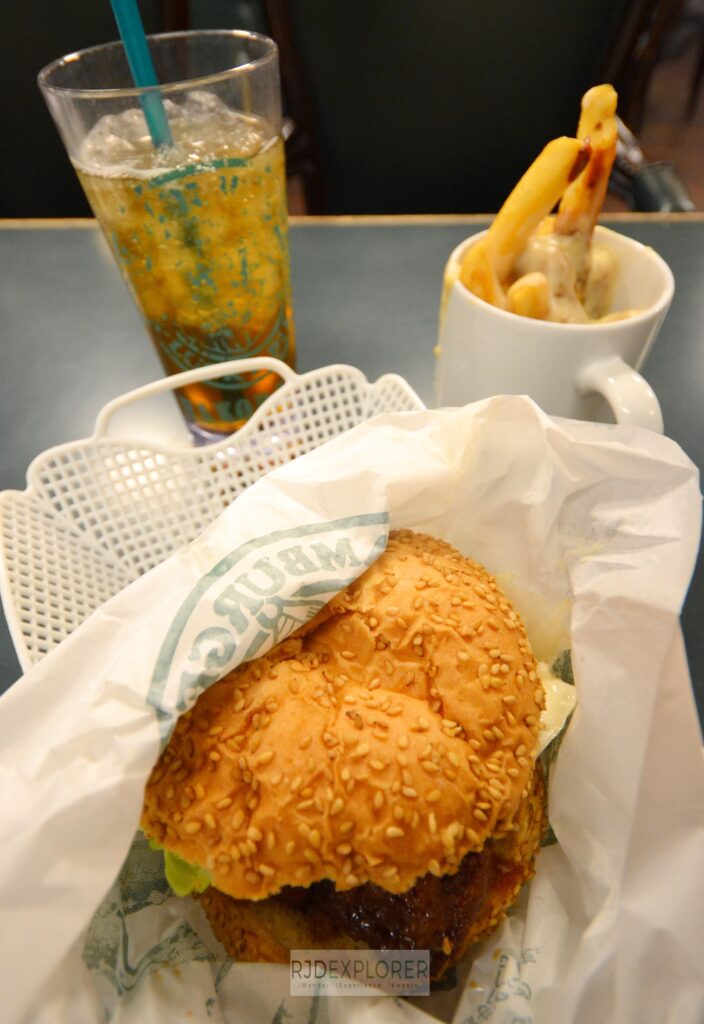
First-time visitors can start with the classic hamburger. Portions feel generous after a long walking day. Eating here feels less about convenience. It feels like joining a local routine rooted in habit and pride.
Kanemori Red Brick Warehouses at Night
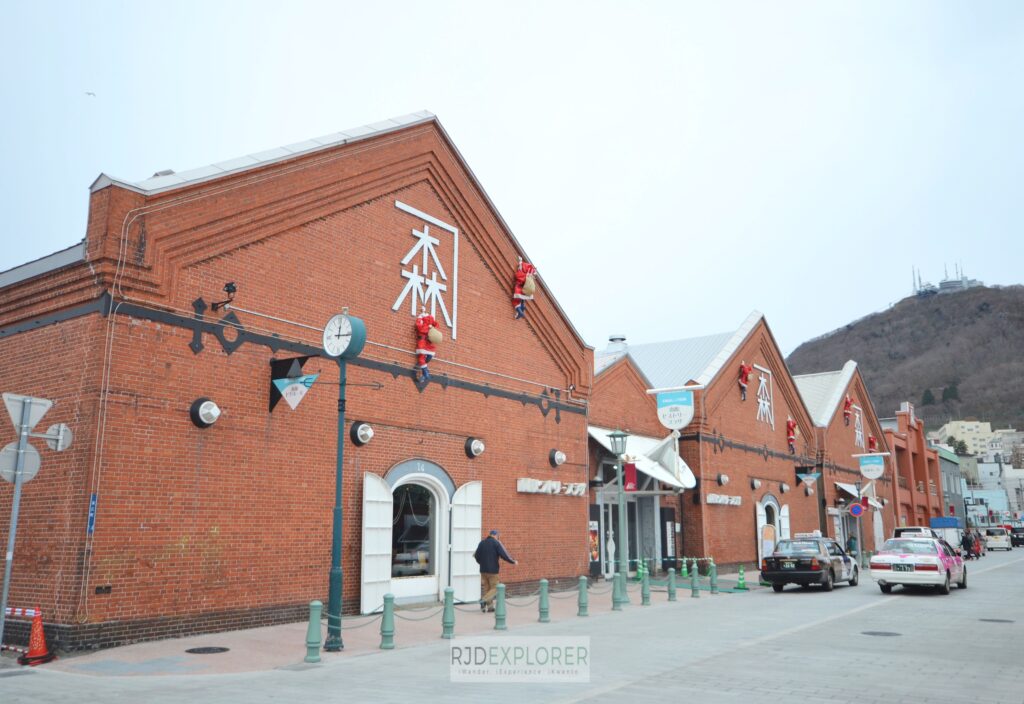
Heading back toward the bay leads to one of Hakodate’s most atmospheric areas. The Kanemori Red Brick Warehouses line the waterfront with preserved charm. Evening lights reflect softly across the water. The setting invites slow wandering without pressure.
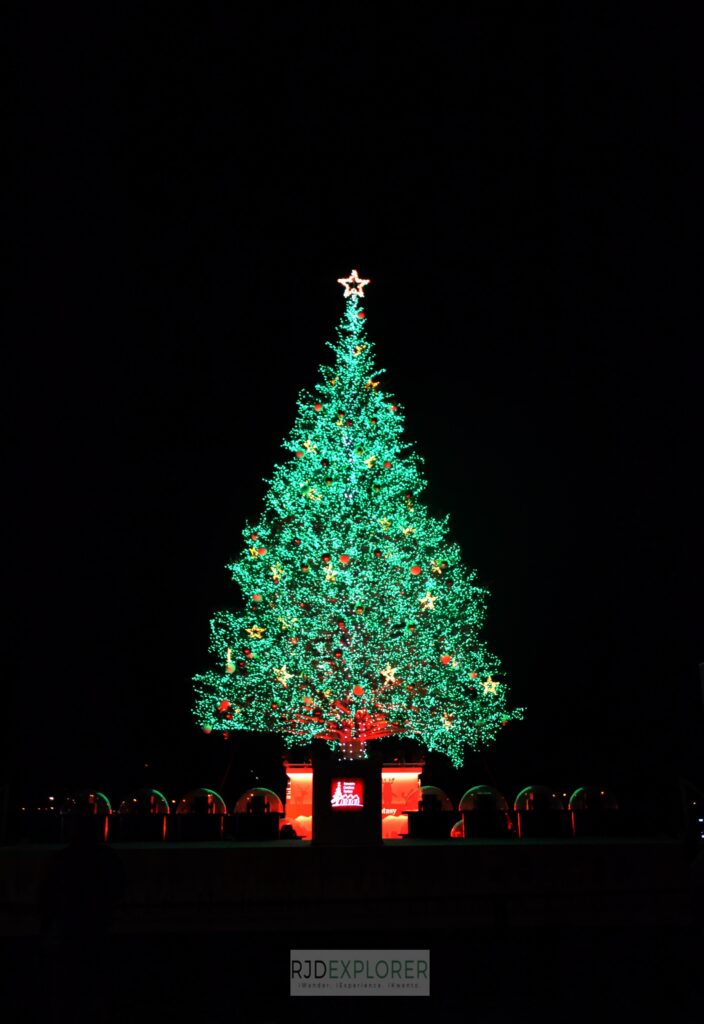
Inside, small boutiques sell Hakodate-themed souvenirs and local sweets. Many items feel thoughtfully made rather than mass-produced. Cafés offer warm drinks and desserts. There is no fixed route here. The appeal lies in moving without urgency.
Hakodate Morning Market
Near Hakodate Station, the Morning Market reveals the city’s bond with the sea. Vendors prepare seafood as locals arrive for breakfast. The narrow aisles feel lively yet controlled. Stalls display crab, scallops, and freshly prepared meals.
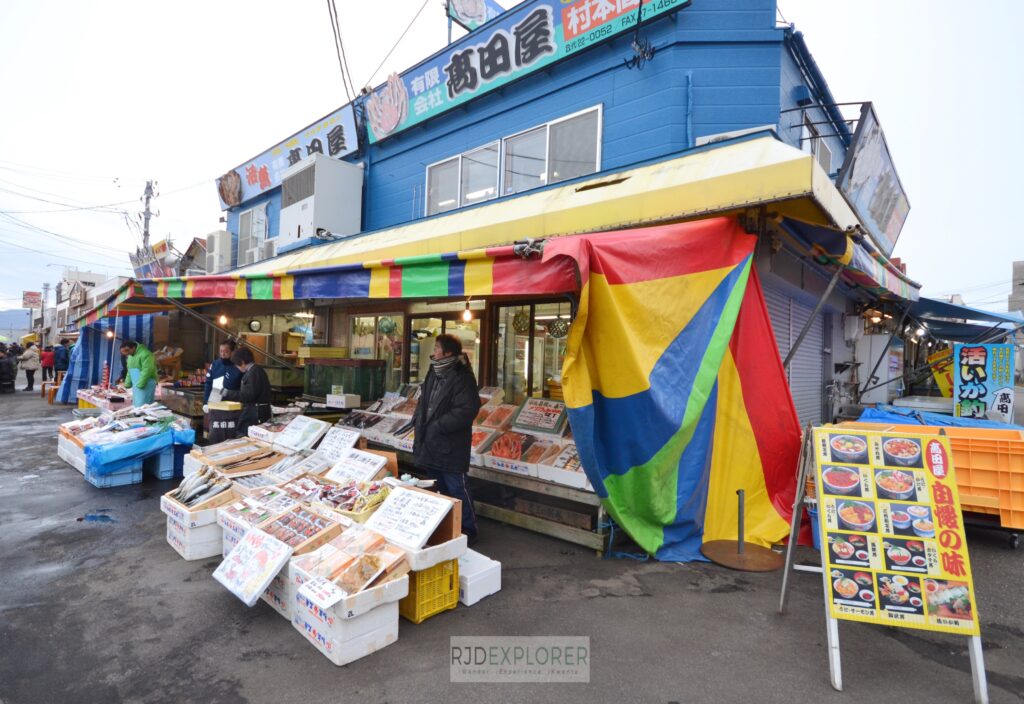
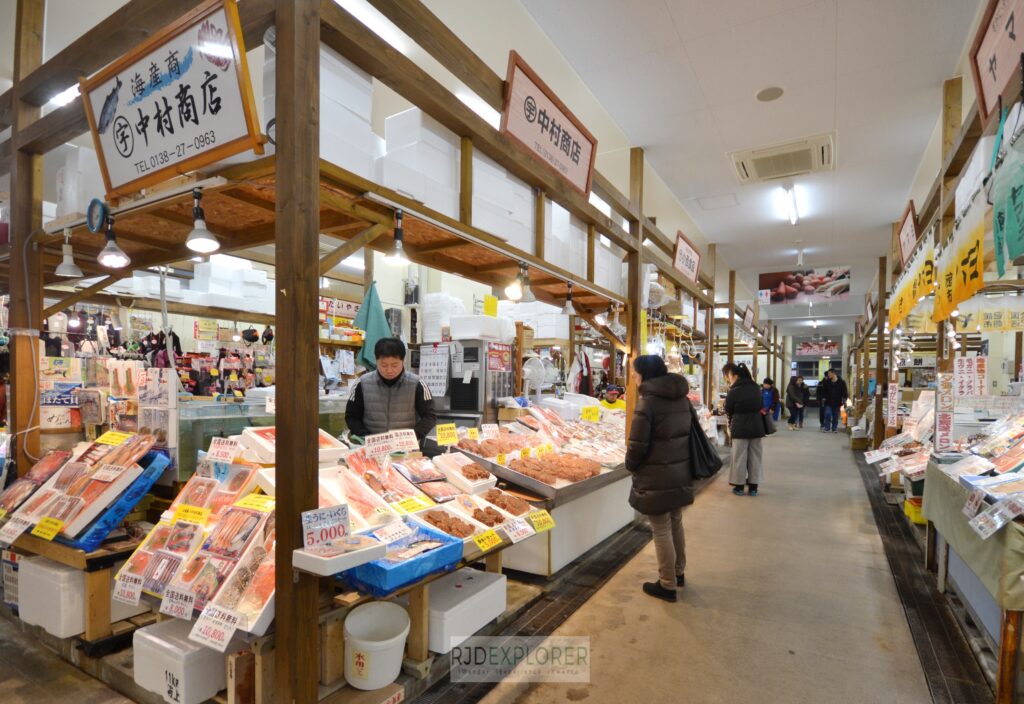
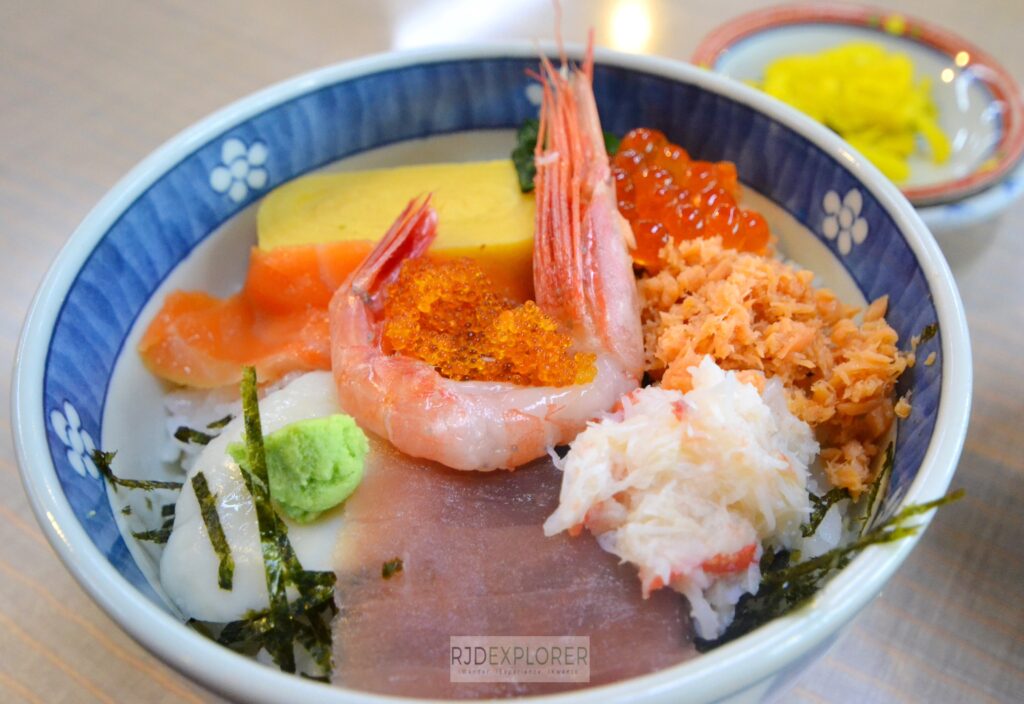
A bowl of kaisendon feels essential here. The seafood tastes fresh and portions satisfy. The meal prepares you well for a full walking day. When unsure where to eat, follow the stalls filled with locals.
Motomachi District
From the market, walking naturally leads into Motomachi district. Cultural landmarks sit close together in this area. Exploring on foot works best here. Trams help manage the start or end points.
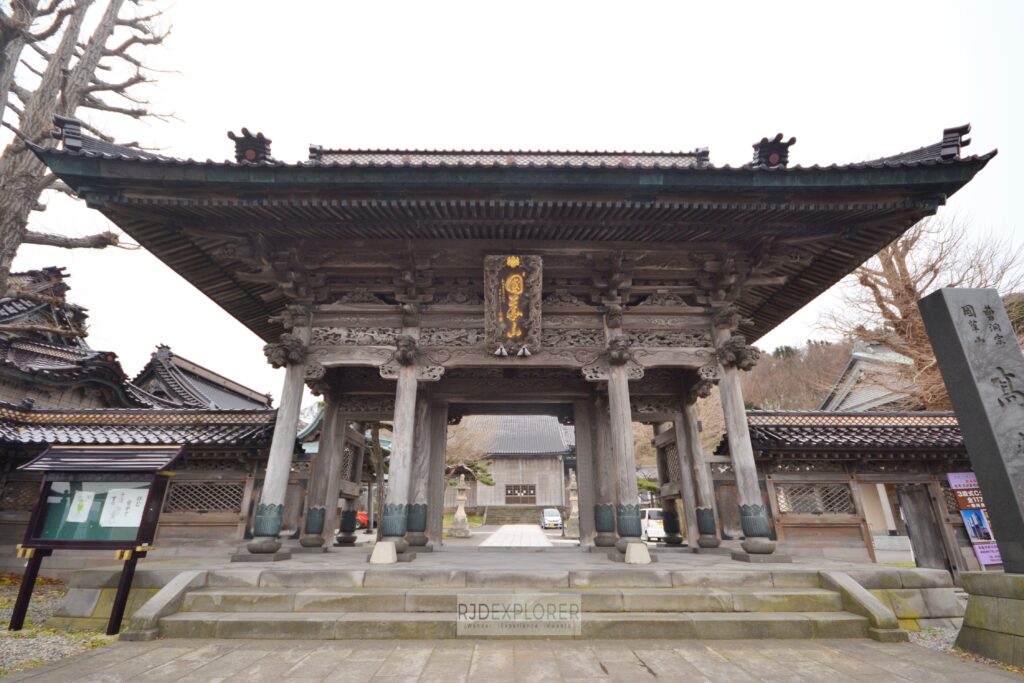
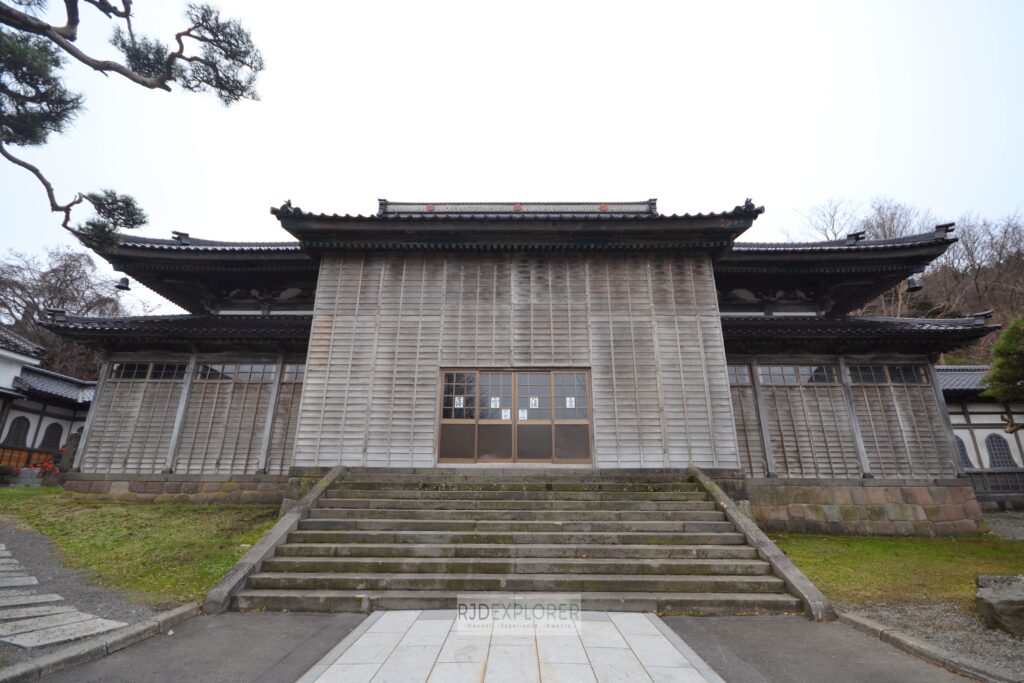
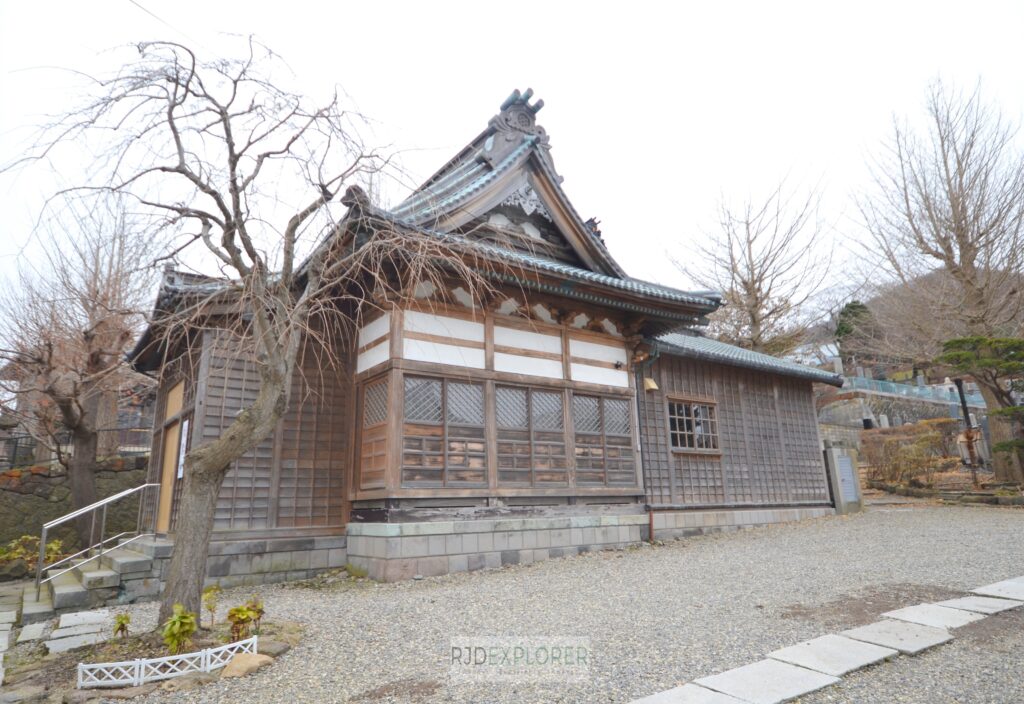
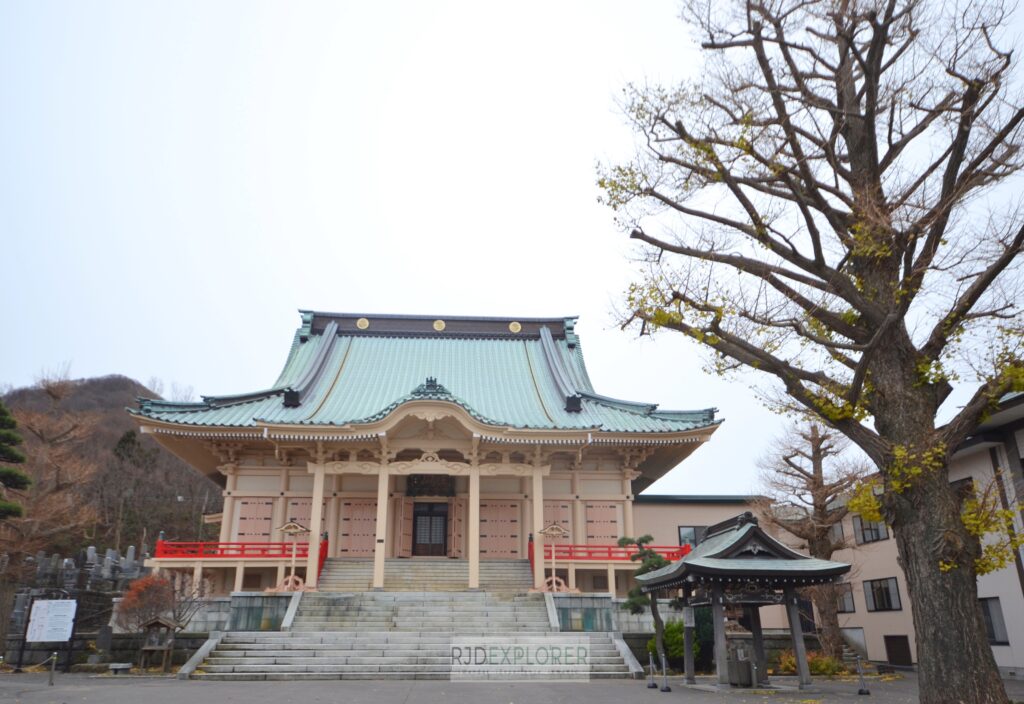
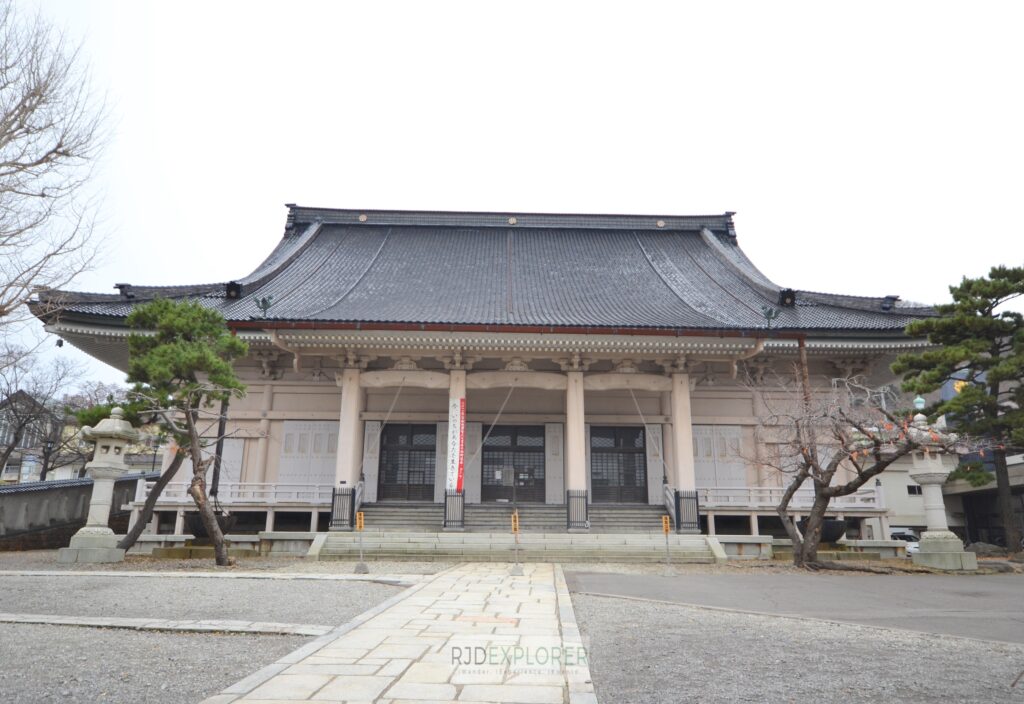
The route begins at Kōryū-ji Temple. Its gate opens into a calm space away from busy streets. Nearby, Shomyo-ji and Jitsugyo-ji show contrasting designs and moods. A short walk leads to Ōtani Hongan-ji, its scale highlights Buddhism’s strong presence in the city.
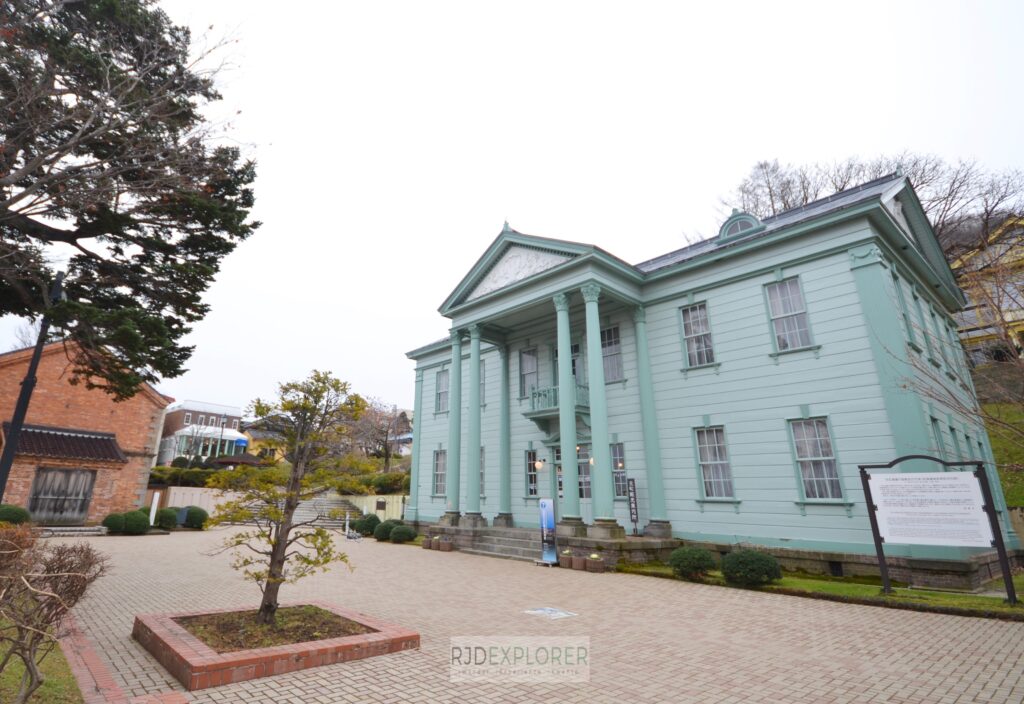
Continuing through Motomachi brings you to the former Hokkaido Government Branch Office. The preserved structure shows Hakodate’s administrative role in early Hokkaido. Its Western design reflects a city open to external exchange.
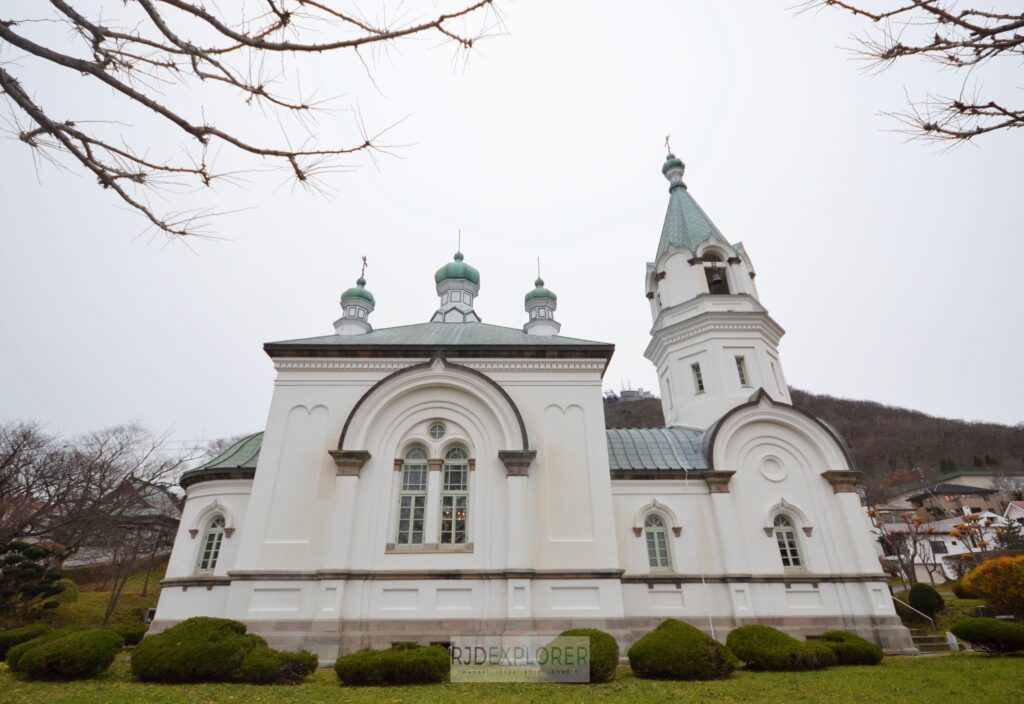
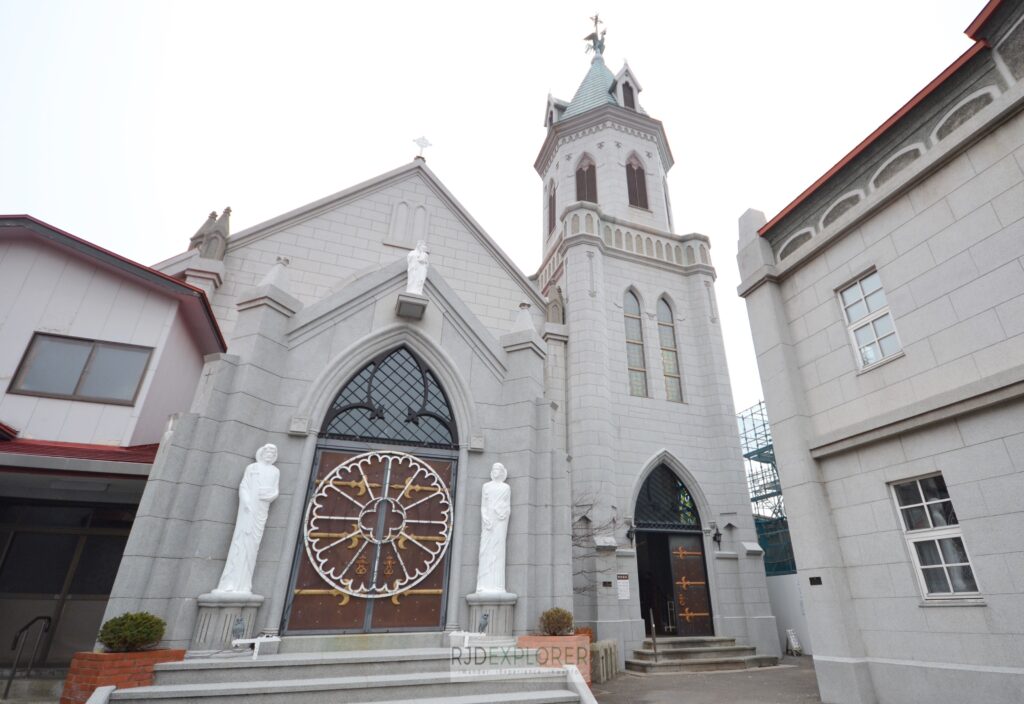
Nearby churches continue this story. The Hakodate Orthodox Church and Motomachi Roman Catholic Church introduce European lines into the streetscape. Walking between temples and churches feels seamless. History unfolds naturally with each step.
Hachiman Zaka Slope
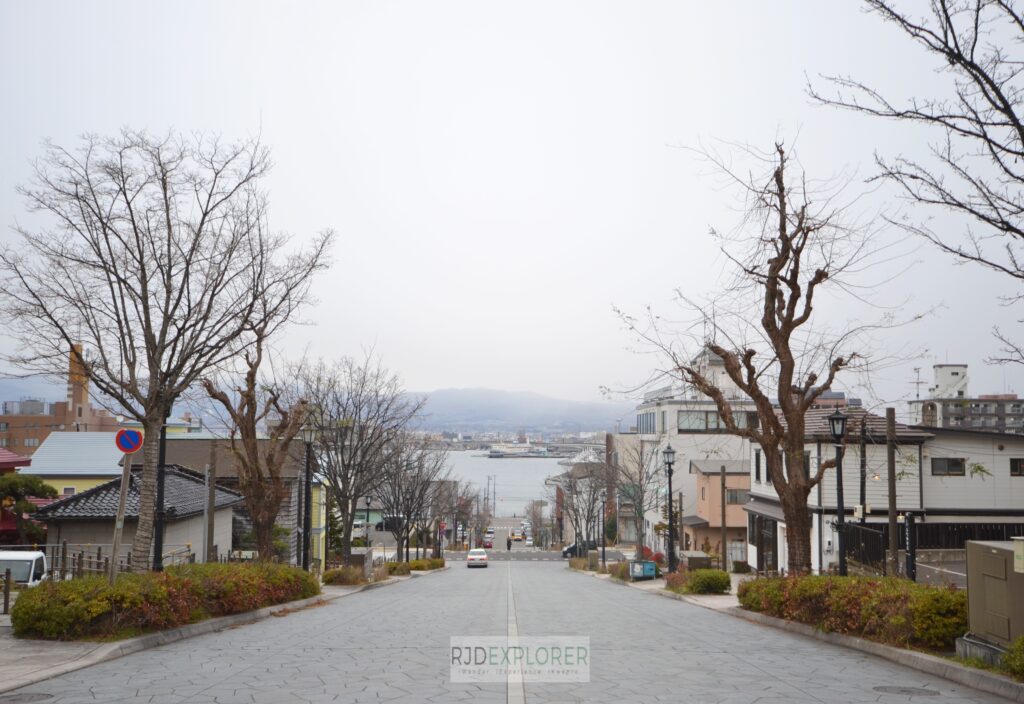
Hachiman Zaka Slope offers one of Hakodate’s most recognizable scenes. The road slopes gently toward the bay. Trees and historic buildings frame the view. Many visitors stop for photos. Those who pause longer feel how the city meets the sea.
Kanemori Warehouses in Daylight
Returning to the warehouses during the day reveals new details. Brick textures stand out under natural light. Shops feel quieter and easier to browse. This time works well for coffee or souvenir shopping. The area doubles as a resting point between walks.
Hakodate Tropical Botanical Garden
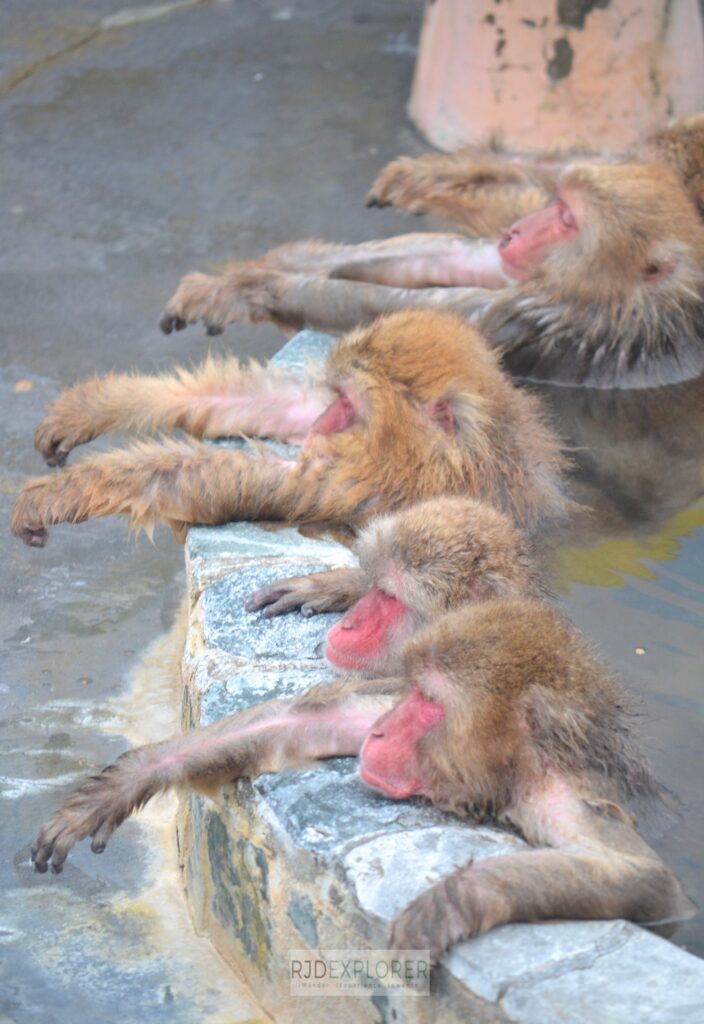
Outside the city center, the Hakodate Tropical Botanical Garden offers a shift in pace. During colder months, snow monkeys soak in warm pools. Steam rises as they rest quietly. The experience feels calm and observational. Visiting after central walks helps balance the day. The garden contrasts urban streets with stillness and space.
Trappistine Convent and a Quiet Ending
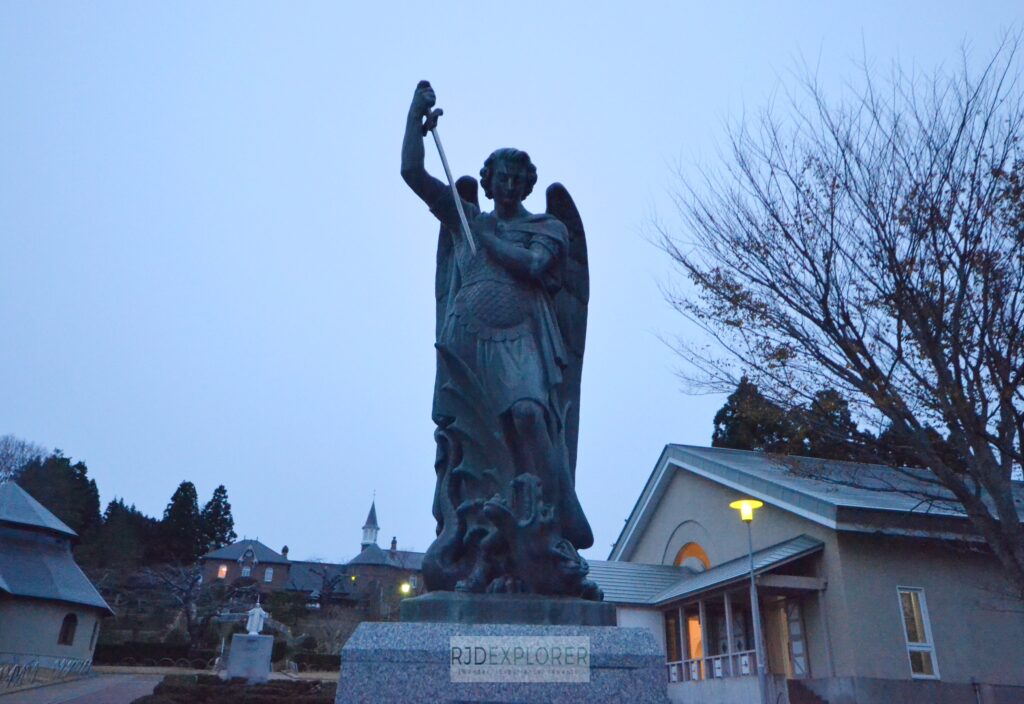
The Trappistine Convent sits away from busy routes. Visiting in the late afternoon suits its atmosphere. The grounds encourage slow walking and reflection. Architecture and statues create a calm conclusion to the day.


Hakodate never relies on spectacle. The city balances history and daily life with ease. Over two days, markets, landmarks, waterfront walks, and familiar food form a complete picture. Leaving feels less like finishing a list. It feels like understanding a place shaped by calm presence. This Hakodate travel guide ends, but the mood stays long after departure.
Klook.comHow to Get to Hakodate from Sapporo
Getting from Sapporo to Hakodate sets the tone for your southern Hokkaido adventure. You have several solid public options, each with different travel time, cost, and convenience. Below are the main ways to make the journey, with current estimates you can rely on.
By Train
Taking the JR Limited Express train offers a smooth, scenic way to travel between Sapporo and Hakodate. The Limited Express Hokuto runs regularly from JR Sapporo Station to Hakodate Station and takes about 3 hours and 30 minutes. One-way train tickets for reserved seats generally fall between around ¥8,000 and ¥12,000, depending on demand and seat class. Route is included on the JR Hokkaido Rail Pass. Booking ahead online often secures your preferred time and gives peace of mind, especially in peak travel seasons. Trains provide plenty of space for luggage and let you enjoy Hokkaido’s landscapes without the pressure of road traffic.
By Highway Bus
If you want a cheaper way to reach Hakodate, intercity highway buses depart from Sapporo and travel directly to Hakodate Station or nearby stops. These buses typically take about 5 to 5½ hours, depending on traffic and weather. One-way fares range roughly between ¥3,660 and ¥5,360 for adults, with children paying less. Multiple departures usually run throughout the day, and seats can be booked online in advance. Buses make a few rest stops along the way, which gives you short breaks during the ride.
By Plane
Flying offers the quickest point-to-point time if you want to minimize your travel hours. Flights to Hakodate operate from New Chitose Airport (near Sapporo) or from Sapporo’s Okadama Airport, and airtime is about 40 minutes. Prices vary widely based on airline, season, and how far ahead you book. Once you land at Hakodate Airport, shuttle buses and local transit can take you into central Hakodate in under an hour. Domestic flights suit travelers who prioritize speed and comfort and don’t mind airport transfer time.
Travel Tips for Your Journey
For trains, buying tickets early ensures you get the specific departure and seat you want. When taking buses, pick morning departures if you want to maximize your time exploring Hakodate on arrival. With flights, remember to add transit time to and from airports to your overall travel plan. Choose the option that best fits your pace and itinerary rhythm, whether that’s comfortable sightseeing from a train window or getting there as quickly as possible.